

Your Garden Just Got an Upgrade
Imagine waking up to a notification on your phone:
“Your basil’s moisture is low. I’ve adjusted the light schedule and started watering.”
Welcome to 2026, where AI-powered gardens are turning even the most plant-challenged among us into green-thumb geniuses.
From smart planters that text you updates to AI sensors that literally read your plants’ stress levels, home gardening is entering its most exciting — and intelligent — age yet.
The Smart Garden Revolution
Modern indoor gardening isn’t just about aesthetic greenery anymore. It’s a perfect storm of AI software, IoT devices, and biophilic design.
Smart garden systems combine sensors, cameras, and adaptive light systems to create self-regulating ecosystems — tiny green brains living in your kitchen.
How They Work:
- AI Diagnostics: Your garden’s onboard AI identifies plant species, monitors growth patterns, and detects early signs of stress (like poor hydration or nutrient deficiency).
- Automated Adjustments: It optimizes light exposure and watering cycles automatically — no guesswork needed.
- App Connectivity: With mobile dashboards, you can monitor growth metrics, set routines, and even receive real-time alerts while traveling.
The result? Fewer wilted leaves, fewer “oops-I-forgot-to-water-them” moments, and more thriving greenery that basically takes care of itself.
From “Set It and Forget It” to “Grow It and Gain Insights”
AI gardens don’t just make life easier; they make you a better plant parent.
These systems learn from your growing habits, environmental conditions, and the plants themselves.Example:
Your system might recommend moving your garden 6 inches closer to sunlight in February or increasing LED intensity by 10% during winter months.
Your plants get personalized care, and you get smarter through the process — thanks to your digital gardening partner.
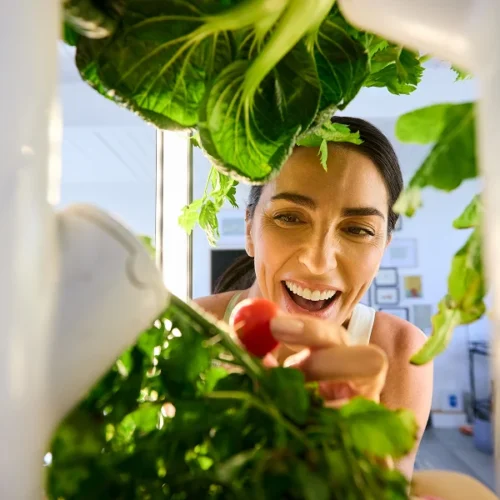
The Benefits of Letting AI Take the Reins
- Zero Guesswork — No more overwatering, poor lighting, or guess-based care.
- Efficiency — Save water, electricity, and time with automated schedules.
- Year-Round Growth — Indoor ecosystems adapt for all seasons.
- Education — Learn plant biology and ecosystem balance through app analytics.
- Eco-Smart Living — Connect sustainability goals with smart home integration.
AI doesn’t replace your connection to nature — it amplifies it.
Designing the Future Indoor Garden
2026 home designs are increasingly merging tech with tranquility. Kitchen counter gardens, living wall systems, and app-controlled terrariums are becoming standard eco-luxury features.
Think minimalist cabinetry with hidden hydroponic drawers or living room walls that double as plant-powered air purifiers. Designers now call it the “Green Smart Space” movement — and it’s redefining what modern living feels like.
Real-Life Example: The Plant That Texts You
A Gardyn user recently posted:
“I was on vacation for 10 days. My AI garden adjusted watering, dimmed its lights for energy savings, and even notified me my lettuce was harvest-ready.”
What used to require daily manual care now happens seamlessly — guided by algorithms that know your plant’s habits better than you do.
Why It Matters
AI gardening isn’t a novelty; it’s part of a larger shift toward biophilic automation — technology that supports human connection to nature.
As cities get denser and homes get smarter, our need for natural experiences grows stronger. Smart gardens bring nature back into the spotlight — one algorithmic sprout at a time.
Final Thoughts: Your Plant’s New Brain Has Your Back
When your plants get smarter than you, that’s not a bad thing.
It’s nature evolving with us — greener, cleaner, and more connected. Whether you want fresh herbs on demand, better air quality, or just fewer dead plants, AI gardening technology is quietly turning your home into an ecosystem of its own.
So next time your garden texts you, don’t be surprised.
It’s just saying thank you — in data form.
Want to find the best AI garden for your home? Check our comparison guide: Smart Garden Systems 2026.”


